
u47 microhpones: Why Engineers Still Reach for Them
The moment a singer steps up and the monitors return that unmistakable midrange authority, the conversation around u47 microhpones stops being nostalgic and starts being practical. There are very few large-diaphragm tube microphones that have shaped records, voiceover chains, and studio decision-making as consistently as the U47 family. In serious rooms, these mics are not treated like museum pieces. They are working tools with a very specific job: deliver a vocal or source that already sounds expensive before the mix has to rescue it.
Why u47 microhpones still matter
A U47 has a reputation, but reputation alone does not keep a microphone in circulation for decades. Engineers keep reaching for this design because it tends to present the human voice with size, focus, and authority in a way that translates quickly. That matters when the session is moving fast, the artist needs confidence in the headphones, or the client expects a result that already feels major-label on playback.
What people usually mean when they talk about a U47 sound is not simply warmth. That word gets used too loosely. A strong U47-style microphone often gives you a forward midrange, a solid low-mid foundation, and a top end that feels open without getting brittle. On the right singer, that combination creates a vocal that sits in front of the speakers with very little effort. Spoken-word work benefits too. The same qualities that make a lead vocal feel commanding can make narration, [ADR, and voiceover](https://www.studiocitysound.com/voiceovers) sound authoritative and finished.
There is also a workflow reason these microphones endure. Premium sessions are expensive, and every decision has a cost. When the source enters the chain already carrying weight and clarity, the downstream work gets easier. Less corrective EQ. Less compression to force presence. Fewer compromises in a dense production.
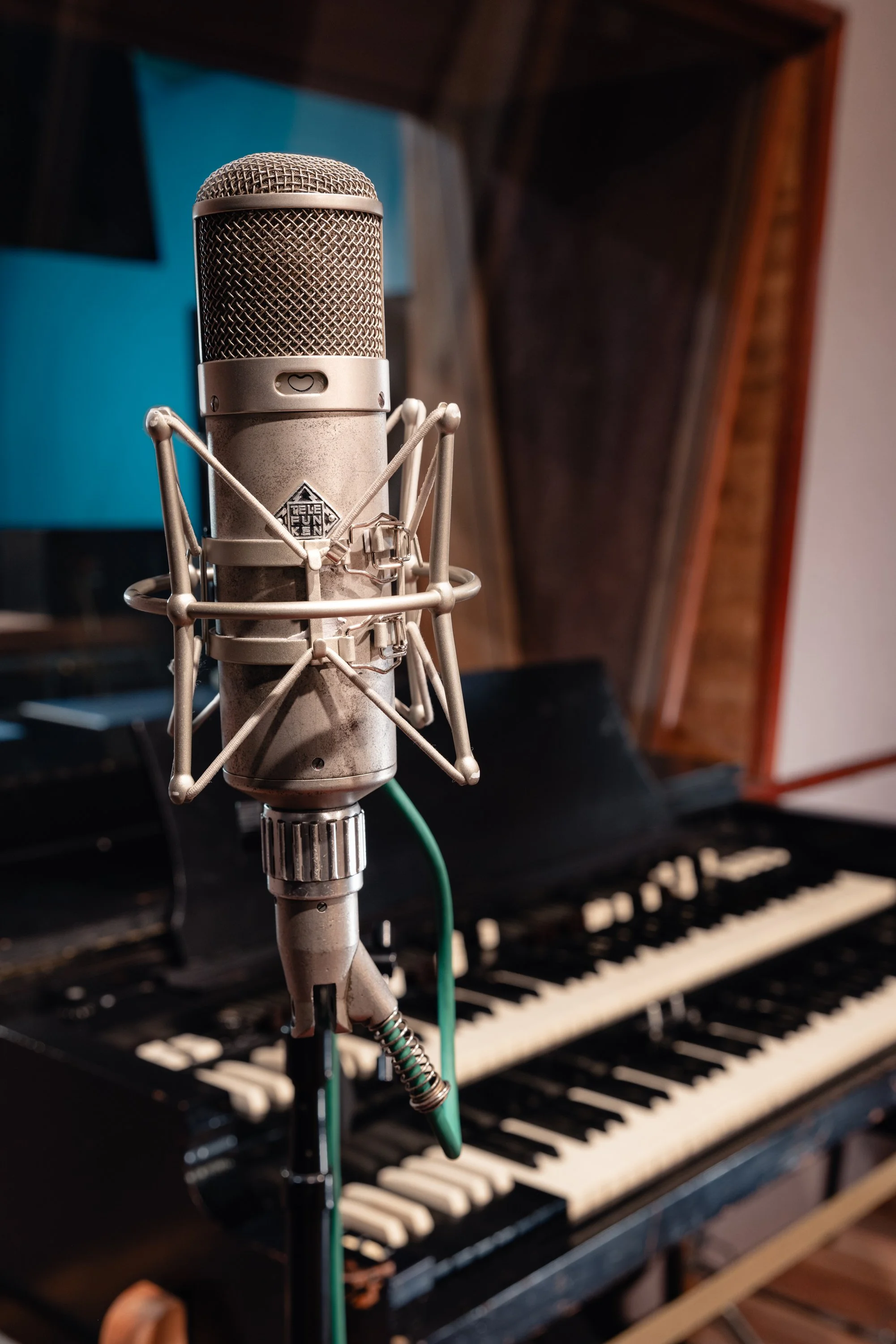
Telefunken U47 in Studio C Live Room - Studio City Sound
What engineers are actually hearing in u47 microhpones
The classic U47 story is partly about design and partly about behavior under real performance conditions. A great example of this style of microphone captures detail, but it does not flatten the personality out of the performance. It preserves articulation while still sounding dimensional. That is a difficult balance, and it is why so many modern mics can sound technically clean yet emotionally smaller.
The low end is one of the defining factors. On many voices, a U47-style mic can deliver fullness without turning muddy, assuming the singer and placement are right. The midrange is where much of the magic lives. Instead of a scooped, glossy presentation, you often get density and shape in the part of the spectrum where the human voice actually communicates intent. The top end can be airy, but not in the exaggerated way that many contemporary condensers chase.
That does not mean every U47-inspired microphone sounds identical. It absolutely does not. Vintage originals, faithful recreations, and modern interpretations can differ dramatically in capsule behavior, tube character, output transformer design, and overall tonal balance. Some lean darker and thicker. Others add more modern sheen. That is why experienced engineers do not choose one based on internet mythology alone. They choose based on the singer in front of them, the arrangement behind them, and the destination of the recording.
Where a U47-style mic excels
Vocals are the obvious application, but that is only part of the picture. On the right lead singer, this microphone type can deliver an almost immediate record-ready perspective. Pop, rock, soul, Americana, cinematic ballads, and even certain rap vocals can benefit when the voice needs center-of-frame authority rather than hyper-bright detail.
For voiceover and ADR, the appeal is just as clear. A U47-style microphone can present dialogue with confidence and weight, which is useful when the final product needs to hold up in commercial, trailer, branded content, or broadcast contexts. You still have to match performance style, room control, and signal chain, but a strong microphone choice gives the production a head start.
It can also be excellent on bass cabinet, acoustic guitar, room positions, and certain orchestral or solo instruments. Here, though, the phrase it depends matters. Some acoustic guitars become too thick. Some rooms become too obvious. Some singers need more air or less proximity. Premium microphones are not universal solutions. They are specific tools, and the value comes from knowing when their strengths become liabilities.
Vintage originals versus modern recreations
This is where the conversation gets expensive and, at times, overly romantic. A well-maintained vintage U47 can be extraordinary, but ownership is not simple. Age, service history, tube condition, capsule wear, and parts variance all affect performance. Two original units can sound meaningfully different, and not every old microphone is automatically a great one.
High-end recreations have changed the equation. The best current builders understand that professionals are not just buying a look or a story. They are buying repeatability, serviceability, and predictable session results. In a commercial studio environment, that matters. A microphone has to perform on command, not just inspire admiration in a gear photo.
There is also a budget reality. For many artists, producers, and content teams, a top-tier recreation makes more sense than chasing a collectible original. If the mic captures the core virtues people want from the platform, reliability and consistency may be more valuable than historical purity. That is especially true when the real goal is not ownership, but delivering a vocal that stands up next to competitive releases.
The signal chain matters more than people admit
A U47-style microphone does not exist in isolation. Pair it with the wrong preamp, the wrong compressor, or an untreated room, and the result can be underwhelming fast. Pair it correctly, and it can feel effortless.
This is where experienced studios separate themselves from gear-first spaces. A microphone with this kind of authority benefits from a signal path that respects its strengths. A premium tube or transformer-based preamp may emphasize size and texture. A cleaner path may preserve articulation and transient detail. Compression choices can either reinforce the front-of-mix presence or flatten the very qualities that make the mic desirable.
Placement is equally important. Small changes in distance can dramatically alter low-end buildup, intimacy, and articulation. A vocalist with strong projection may need more space. A softer singer may need the intimacy of working closer. The engineer is not just choosing a famous microphone. They are shaping how that microphone hears the performer.
In a professional room, that judgment happens quickly. That speed is not accidental. It comes from having enough experience with singers, spoken-word talent, and production goals to know whether the mic is helping or flattering the wrong things.
Why high-level sessions still invest in this sound
Artists and production teams do not book serious studio time because they want average. They book it because the source has to be captured at a level that can survive release schedules, client approvals, and repeated playback on unforgiving systems. U47-style microphones remain relevant because they still solve a very current problem: how to capture a performance so it already sounds finished enough to inspire confidence.
That matters for music, but it matters just as much for modern [media production](https://www.studiocitysound.com/video-production-1). Podcasting with premium expectations, cinematic spoken word, branded content, and remote voice sessions all benefit from a microphone that gives the speaker stature. In Los Angeles, where talent, agencies, labels, and post-production teams often work under deadline, nobody wants to explain why the track sounds small when the session had every opportunity to sound world-class.
In a facility built for professional recording, mixing, ADR, and voiceover, a microphone like this is part of a larger promise. The promise is not vintage glamour. It is dependable excellence. That is why rooms such as [Studio City Sound](https://www.studiocitysound.com/home) continue to value proven microphone platforms alongside elite converters, seasoned engineers, and session-ready signal chains.
Should you always choose a U47-style mic?
No, and that is part of what makes the decision credible. Some singers need a faster, brighter condenser. Some voice talent sound more natural on a cleaner large-diaphragm design. Some productions want intimacy without the larger-than-life push. There are also cases where a dynamic microphone simply handles the source better.
The point is not that U47-style microphones beat every alternative. The point is that when the goal is size, authority, and a vocal that arrives with center-stage presence, very few designs have a better track record. That is why they remain part of serious studio conversations, not as status symbols, but as reliable answers to high-level recording demands.
If you are choosing one for a session, trust your ears more than the legend. The best microphone is the one that serves the record, the script, and the performer in the room right now.
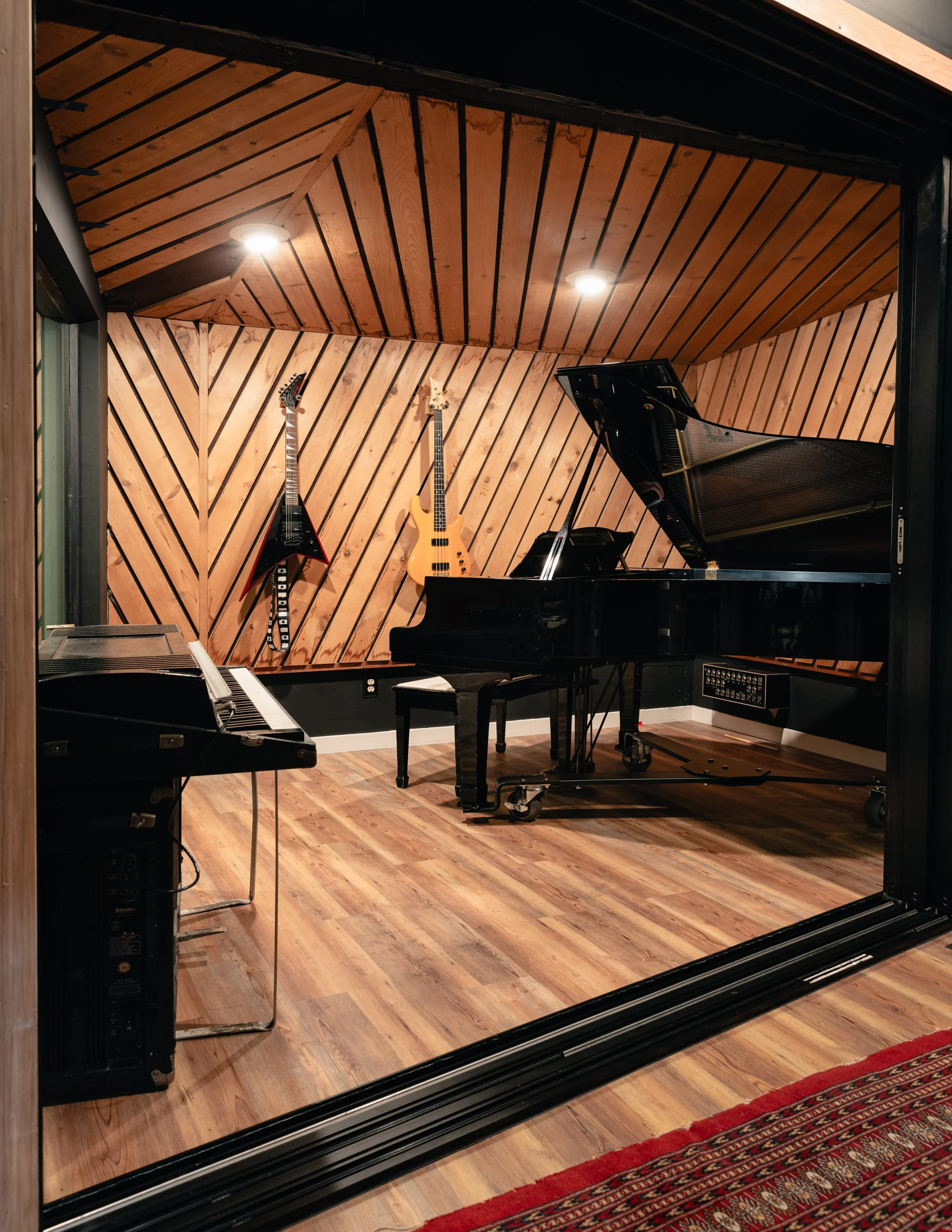
Studio A Live Room - Studio City Sound