Dolby Atmos Mixing Studio Los Angeles
A great Atmos mix does not start with speakers on every wall. It starts with translation. If you are searching for a Dolby Atmos mixing studio Los Angeles clients trust, the real question is whether the room, the monitoring, and the engineer can make immersive decisions that hold up outside the studio - on soundbars, headphones, theaters, and streaming platforms.
Los Angeles is full of rooms that can claim Atmos capability. Far fewer can deliver Atmos work at a professional release standard for music, film, broadcast, podcasts, and branded content. For artists, producers, label teams, and post-production clients, that gap matters. Immersive audio is no longer a novelty format. It is a commercial format with real creative upside, strict technical requirements, and very little room for guesswork.
What sets a Dolby Atmos mixing studio in Los Angeles apart
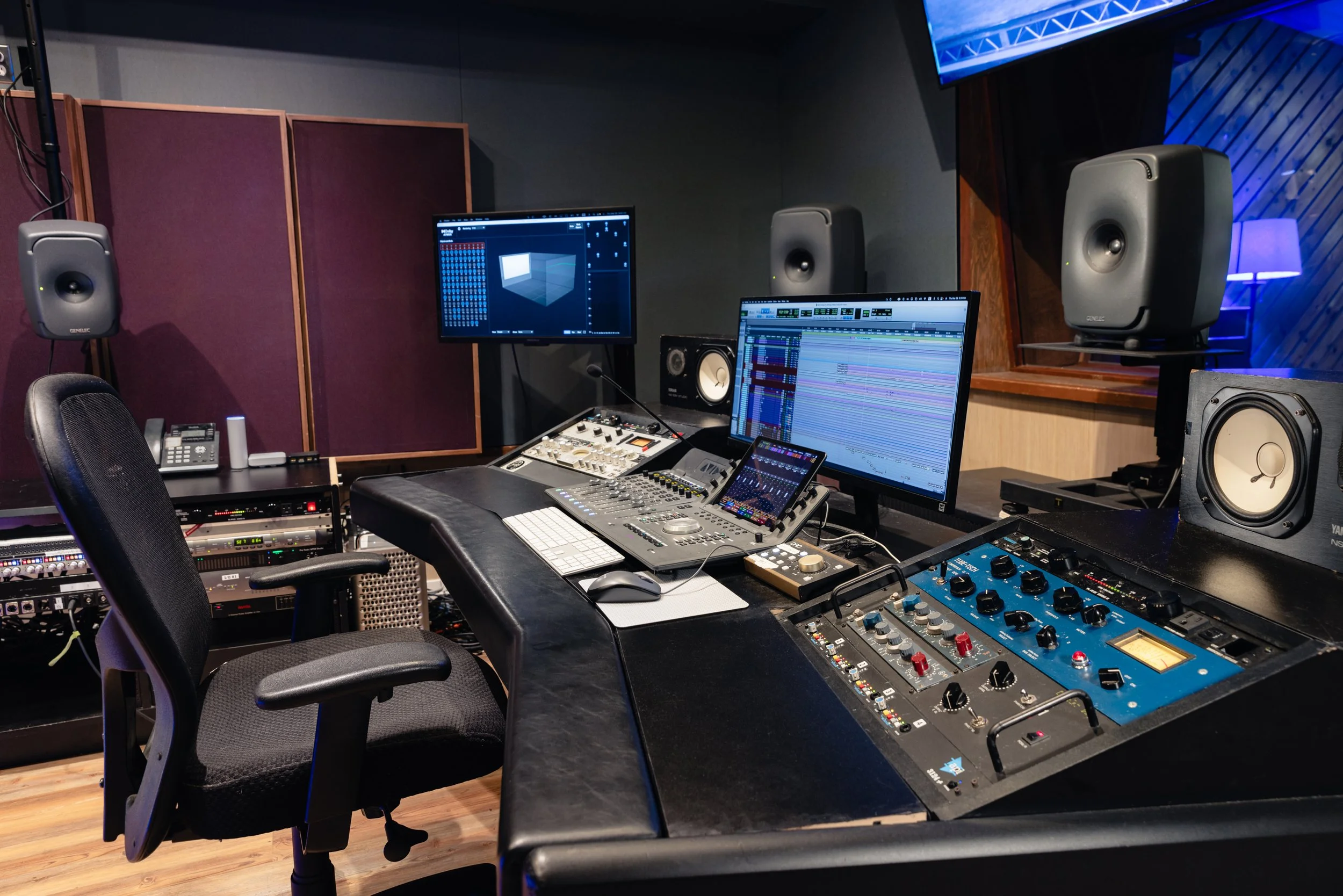
At the professional level, Atmos is not just a bigger stereo session. It requires a calibrated room, precise monitoring, reliable rendering, and an engineer who understands movement, object placement, depth, and downmix behavior. The technology matters, but judgment matters more.
That is where many projects either come together or lose focus. A room may have the right speaker count on paper, but if the translation is off, mixers start chasing effects instead of building a believable sound field. A vocal that feels dramatic in one room can collapse on headphones. Low end that feels cinematic in a tuned control room can smear on consumer playback if the bass management is not handled properly.
A serious Los Angeles Atmos room should also fit the actual use case. Music mixing has different priorities than ADR, post, or branded content. An album mix may need width, lift, and emotional motion without distracting from the song. A post-production session may need precise localization, dialog clarity, and delivery specs that leave no margin for error. The best studio choice depends on the job, the timeline, and the release path.
Why Atmos is now part of commercial audio workflows
For music, Dolby Atmos offers more than spectacle. Done well, it creates separation without thinning the center, and scale without turning the mix into a gimmick. Background vocals can open up around a lead instead of fighting it. Strings and synth textures can breathe. Drums can feel larger while still anchored. The result can be more engaging, but only if the arrangement and mix decisions support the song.
For media and branded work, Atmos brings another advantage: premium presentation. Streamers, networks, agencies, and production companies increasingly expect audio that feels current and platform-ready. That does not mean every project needs aggressive immersion. Sometimes the right move is subtle depth and cleaner spatial organization. The point is control. Atmos gives creative teams more of it.
Los Angeles has become a central market for that work because music, film, advertising, and digital content overlap here every day. Artists are cutting records while production companies are finishing campaigns and networks are turning around broadcast deliverables. A Dolby Atmos mixing studio in Los Angeles often needs to support all of those workflows with the same level of precision.
Choosing the right Dolby Atmos mixing studio Los Angeles professionals use
The room should come first. Not the gear list, not the lobby, not the marketing language. Atmos depends on accurate monitoring in a properly tuned environment. If the room is not telling the truth, every creative decision downstream gets harder.
Engineering experience is the next filter. Atmos has a learning curve, and the difference between someone who can operate the system and someone who can shape a compelling immersive mix is substantial. Experienced mixers know when to use height for impact and when to leave it alone. They know how to maintain vocal focus, preserve low-end integrity, and keep the song from feeling disassembled. In post, they know how to protect intelligibility while meeting delivery expectations.
Workflow matters too. A premium studio should be able to move from tracking to editing, mixing, mastering prep, remote approvals, and final print without friction. That is especially valuable in Los Angeles, where projects often involve multiple stakeholders, compressed schedules, and approval chains that include producers, labels, supervisors, agencies, or talent teams in different locations.
For many clients, union-compliant and broadcast-capable infrastructure is not a bonus. It is part of the requirement. SAG/AFTRA-approved sessions, remote connectivity, ADR support, voiceover capability, and dependable file delivery can make the difference between a room that looks impressive and a room that is actually useful under commercial pressure.
Studio City Sound
Use your ears, instead of eyes for a good mix.
Atmos mixing is technical, but the room still needs musical judgment
One of the biggest misconceptions about Atmos is that more movement equals a better mix. It usually does not. The most effective immersive mixes are often disciplined. They create dimension and emotional lift while preserving the core identity of the production.
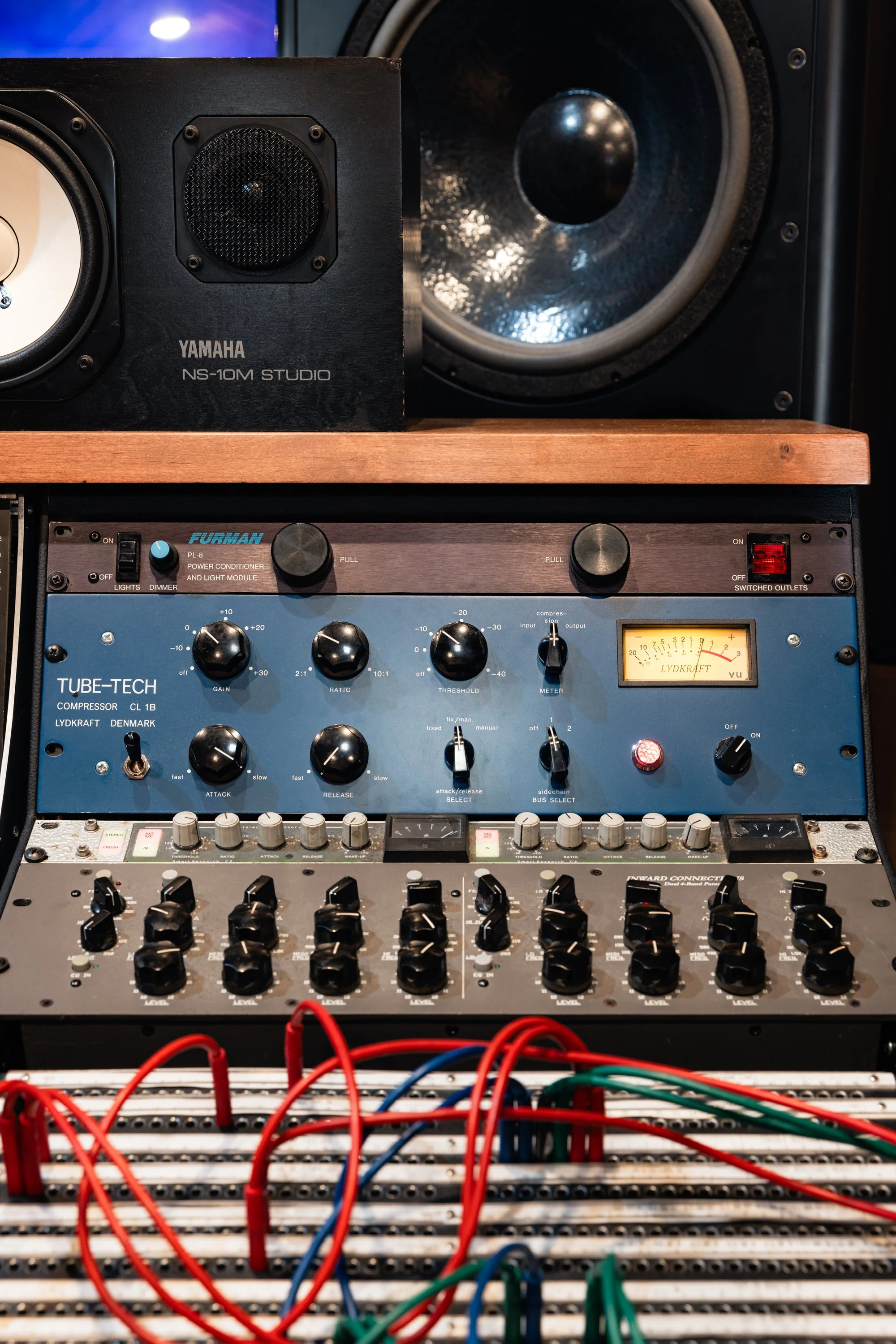
That is why experienced mix leadership matters. A Grammy-winning mixer or veteran post engineer brings more than technical competence. They bring restraint, taste, and the confidence to make decisions that serve the record or the picture instead of chasing novelty. In a premium studio environment, that expertise is reinforced by reliable monitoring, high-end conversion, strong session management, and gear that supports tone rather than distracting from it.
There is also a practical side to this. Atmos projects often live alongside stereo deliverables, alternate versions, and revisions. Clients need a studio that can keep those versions organized and moving without creating avoidable delays. Efficiency does not sound glamorous, but in professional production it protects budgets and release timelines.
Who benefits most from an Atmos-capable studio
Artists and producers benefit when they want a mix with greater scale, separation, and platform readiness. Labels benefit when they need a professional room that can support commercial release standards and client-attended approvals. Podcast and spoken-word creators benefit when immersive or spatial presentation can elevate premium content, trailers, or branded series.
Film, TV, and agency clients benefit for a different reason: reliability. They need a room that can handle ADR, [voiceover](https://www.studiocitysound.com/voiceovers), post, remote collaboration, and broadcast-grade audio without improvising the workflow halfway through the project. In Los Angeles, that level of readiness is often what separates a specialist production facility from a general-purpose studio.
This is where a full-service operation has a real advantage. A studio that can move between [music production](https://www.studiocitysound.com/music-production), Atmos mixing, post, livestreaming, and remote broadcast support is built for the way modern media actually gets made. Projects are rarely linear anymore. A song campaign may need content capture. A podcast may need video. A commercial session may need voiceover pickup and remote client monitoring on short notice.
Why premium studios still matter in a crowded market
Lower-cost rooms can be useful for demos, editing, or exploratory work. That is the trade-off conversation worth having honestly. Not every project needs a flagship room from day one. But when the audio will represent a brand, a label release, a film, or a major campaign, the cost of avoidable compromises usually outweighs the savings.
A premium Atmos studio earns its rate through accuracy, speed, and confidence. You are not just paying for speaker arrays or outboard gear. You are paying for a room that tells the truth, an engineer who knows what to do with that truth, and a workflow that supports real-world deadlines. That matters when clients are in the room, when approvals are happening live, and when the final deliverable needs to stand up on every playback system that counts.
In Los Angeles, that standard is especially relevant. The market is competitive, expectations are high, and many clients have heard the difference between merely compatible and genuinely finished. Facilities with award-winning leadership, world-class analog and digital tools, and professional session infrastructure tend to attract work for a reason. They reduce risk while improving the result.
Studio City Sound is built for that level of work, with Dolby Atmos mixing (https://www.studiocitysound.com/dolby), recording, post-production, ADR, voiceover, and remote production capabilities under one roof. For artists, producers, and media teams who need more than a room rental, that kind of integrated support can save time and protect quality from first session to final print.
If you are evaluating a Dolby Atmos room, trust your ears, but also look at the workflow behind the pitch. The best studio is the one that makes the creative feel bigger while making the production process feel tighter, calmer, and ready for release.